From Gut Feeling to Data-Driven Coaching: How Modern Sail Coaches Gain an Edge with SailSync
Sailing has always relied on instinct—the coach’s eye, the sailor’s feel, and the shared understanding of how a boat should move through the water. While these skills remain essential, modern coaching demands more. With GPS devices, onboard sensors, and new digital workflows, the sport is shifting toward objective performance data. SailSync gives coaches a clean, powerful way to leverage that data without being overwhelmed by it.
1. Why Sailing Needs a Data-Driven Approach
Unlike many other sports, sailing is full of variables—wind, waves, shifts, fleet density, tactical situations. A coach can ’t see everything, and even the best sailors struggle to recall every detail of a training day. Data fills these gaps by:
- Highlighting patterns that the eye can’t catch—like gradual speed loss or recurring mistakes in maneuvers.
- Providing objective measurement that reduces ambiguity.
- Helping sailors internalize lessons through repeatable, visual feedback.
- Creating a shared language for discussing performance.
Instead of relying on memory or guesswork, coaches get a reliable foundation for clear, accurate feedback.
2. One Platform for All Your Data
Most coaches today juggle screenshots, GPS files, notes, and random observations from the RIB. SailSync eliminates this chaos by creating a unified workspace where:
- GPS tracks sync instantly
- Video, comments, and drills are stored together
- Sessions are organized chronologically
- Sailors can upload their own data to the same page
No more chasing files or searching for old footage—everything from the session lives in one clean, shareable hub.
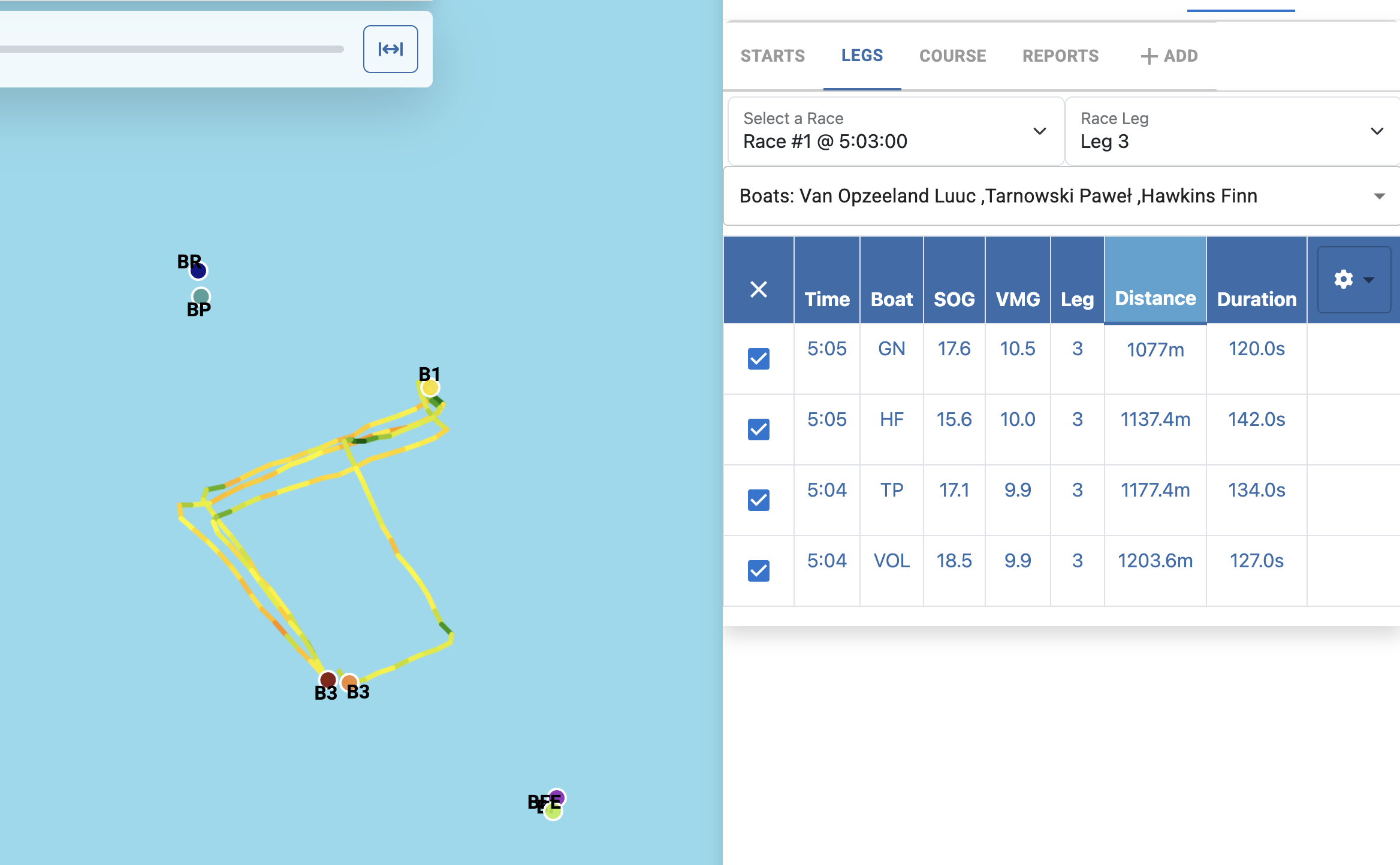
Figure 1: Session hubs keep data, feedback, and visual references in a single, organized place. 3. Faster Insights Through Automation
Coaches often spend hours after practice processing data. With SailSync, this heavy lifting disappears. The platform automatically:
- Splits sessions into beats, runs, and maneuvers
- Extracts speed, heading, and VMG metrics
- Highlights tactical choices like cross situations
- Detects turns and acceleration moments
Instead of wrestling with spreadsheets, you jump straight into meaningful analysis.
4. Making Data Clear and Accessible for Sailors
Data is only valuable if sailors understand it. SailSync makes information digestible with:
- Simple charts
- Color-coded maps
- Clear visual overlays
- Session summaries written in plain language
Sailors no longer feel overwhelmed or confused—feedback becomes action-oriented and easy to apply the next time they hit the water.
5. Building a Feedback Culture That Drives Improvement
Clear, objective feedback builds trust between coaches and sailors. When everyone can see the same data:
- Debriefs become more focused
- Sailors take greater ownership of their improvement
- Coaches can track progress over weeks or months
- Conversations shift from subjective opinions to actionable coaching moments
This creates a performance culture where speed and consistency improve naturally.
Final Thoughts
Great coaching will always involve instinct, experience, and observation—but the future belongs to coaches who combine those strengths with clear, objective data. SailSync makes this transition easy, giving teams a faster, more reliable way to measure performance and reinforce learning. When insights become visual, consistent, and easy to share, sailors improve faster—and coaches gain more clarity than ever before.
Ready to make the shift to data-driven coaching? Start your next session at www.sailsync.ai